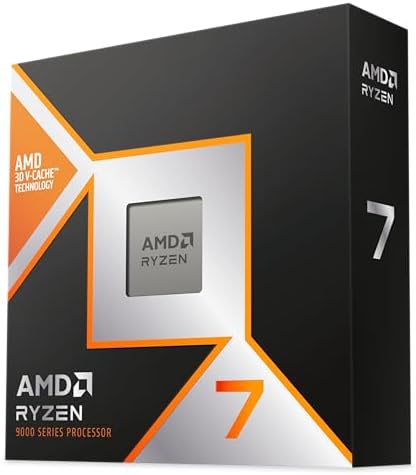
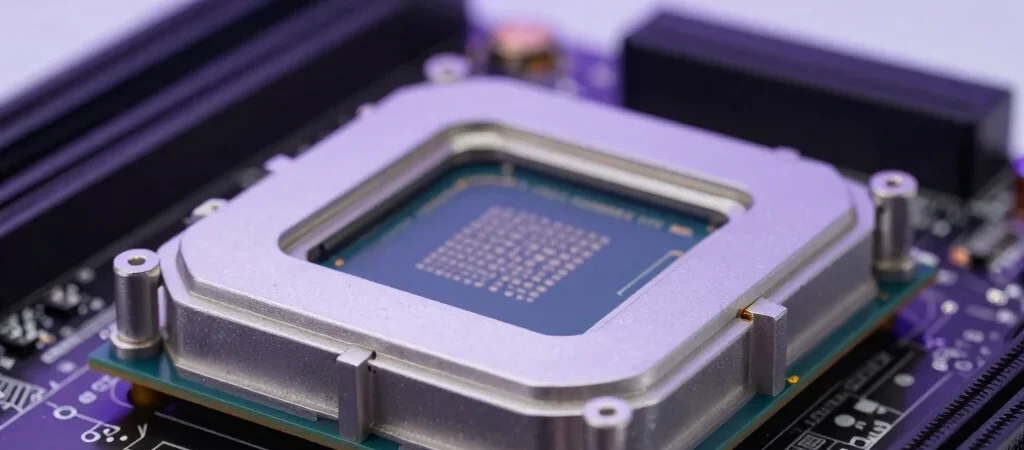
Modern desktop processors push power delivery systems harder than any previous generation. While peak boost frequencies look impressive on specification sheets, sustained performance under all-core workloads relies entirely on motherboard VRM cooling and silicon thermal tolerance. Understanding how heat generation impacts clock retention is critical before committing to high-end hardware.
Architectural Efficiency vs Raw Wattage
Evaluating architectural efficiency requires looking beyond simple thermal design power numbers. Newer microarchitectures achieve higher instructions per clock cycle while managing current density through advanced power gating. However, sustained workloads still draw significant continuous wattage, testing the limits of budget power phases and stock heat spreaders.
Measuring Thermal Thresholds Under Extended Load
When internal temperatures touch the thermal throttling threshold, the processor immediately throttles voltage and frequency to protect the die. In our standardized stress tests across various liquid and air coolers, temperature equilibrium was reached around fifteen minutes into continuous execution. Keeping operational temperatures ten degrees below junction maximums preserves silicon longevity and maintains maximum boost states.
Cooling Configurations for Sustained Loads
Choosing between high-capacity dual-tower air coolers and thirty-six millimeter liquid radiators comes down to workflow requirements. Continuous rendering benefits significantly from liquid cooling due to higher thermal mass, whereas quick burst workloads are handled efficiently by quality air setups. Hardware links featured across our buying guides help support our ongoing laboratory benchmark testing.