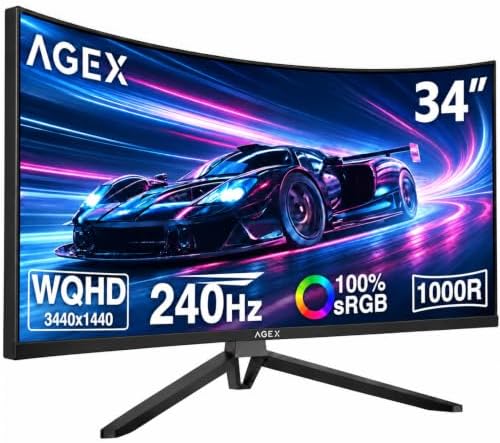
A high refresh rate display is only as fast as its pixel transition speed. Display manufacturers frequently advertise sub-millisecond response times, but those figures often represent extreme overdrive settings that introduce severe inverse ghosting. Evaluating motion clarity requires analyzing true gray-to-gray transition times across the full refresh rate range.
Pixel Response Speeds Beyond Panel Specs
OLED panels excel in pixel response, shifting pixel states nearly instantaneously compared to traditional LCD technologies. Fast IPS panels have closed the gap significantly, but require carefully tuned overdrive profiles to minimize overshoot trailing. Tracking motion blur on moving targets reveals clear visual differences between panel types during competitive play.
Input Lag and Backlight Strobing Mechanics
Total motion clarity is a product of signal processing delay, panel response, and pulse width modulation. Backlight strobing features can dramatically reduce perceived eye-tracking blur, but they often trading away peak brightness and variable refresh rate synchronization. Competitors must weigh dark-room visibility against absolute motion sharpness when selecting display modes.
Selecting Display Tech for Competitive Play
For fast-paced esports, high refresh rates paired with minimal processing latency offer measurable physical reaction advantages. For mixed productivity and gaming setups, color accuracy and panel longevity take priority over marginal millisecond savings. Our editorial recommendations remain grounded in objective laboratory measurements.