
Average frame rates have long dominated product marketing, but they tell an incomplete story about real-world smoothness. A GPU delivering a ninety frame-per-second average can still feel unrefined if frame rendering times spike sporadically during intense scene transitions. Analyzing 1% low frame rates provides the essential clarity needed to evaluate whether a graphics processor actually delivers a fluid experience.
The Flaw in Chasing Peak Metrics
When pushing high pixel densities at native 4K, memory bandwidth and VRAM allocation become primary bottlenecks. In our extended load tests, micro-stuttering frequently correlates with momentary dips in memory clock stability rather than core compute limits. Monitoring frametime consistency over twenty-minute loops exposes rendering hitching that brief synthetic benchmarks miss entirely.
Power Draw and Thermal Throttling Limits
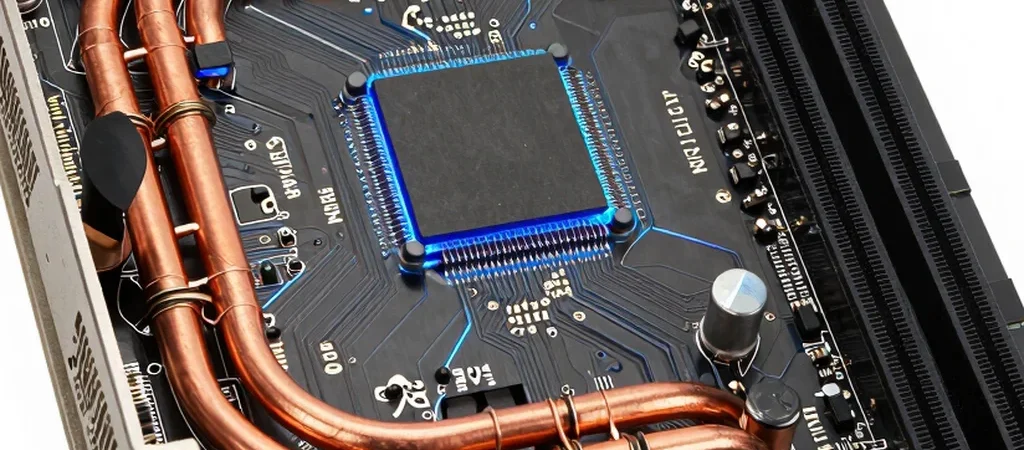
Flagship graphics cards demand substantial wattage, making power draw benchmarks vital for chassis planning and power supply selection. Modern GPU boost algorithms automatically scale back core frequencies as temperatures approach the thermal throttling threshold. Maintaining sustained clock speeds requires efficient heatsink design and adequate enclosure ventilation, especially during prolonged render sessions.
Calculating True Price to Performance
Top-tier GPUs command significant price premiums for minor percentage gains in raw throughput. For builders balancing budgets against performance, mid-tier alternatives often deliver superior price-to-performance ratios without sacrificing frame pacing quality. As an independent publication, RigNexus may earn affiliate commissions through reader purchases, allowing us to maintain empirical testing standards without commercial bias.


